Considering a home generator is a significant step toward ensuring your household's comfort and safety during unexpected power outages. With unpredictable weather and an aging grid, having a reliable backup power source is becoming less of a luxury and more of a necessity for many homeowners. Before making such a crucial investment, it's wise to understand the key factors involved, and Bible’s Electric is here to help you navigate this decision.
Why Consider a Home Generator?
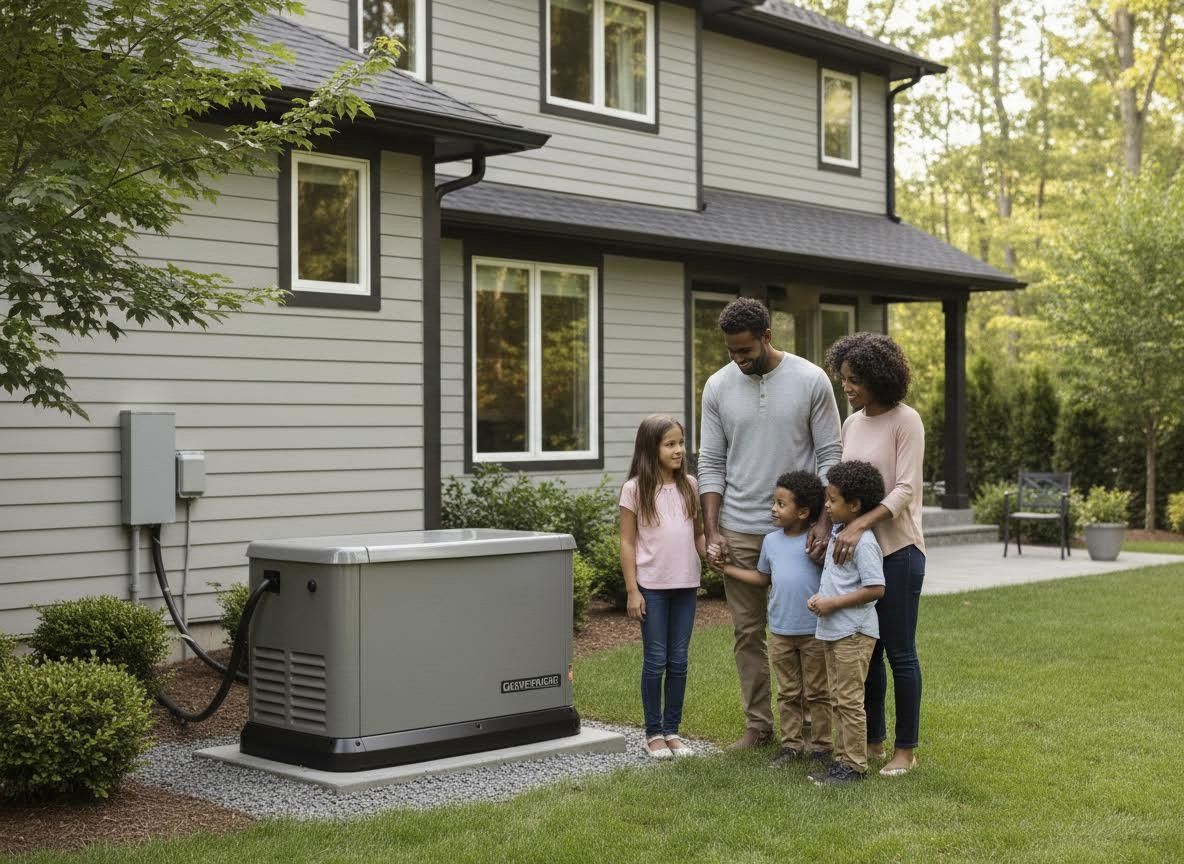
Power interruptions can disrupt daily life in numerous ways, from spoiling food in your refrigerator to interrupting essential medical equipment. Beyond the inconvenience, prolonged outages can also lead to costly issues like burst pipes in winter or security system failures. A home generator provides immediate, automatic backup power, ensuring that your critical appliances and systems continue to run smoothly.
Understanding Generator Types
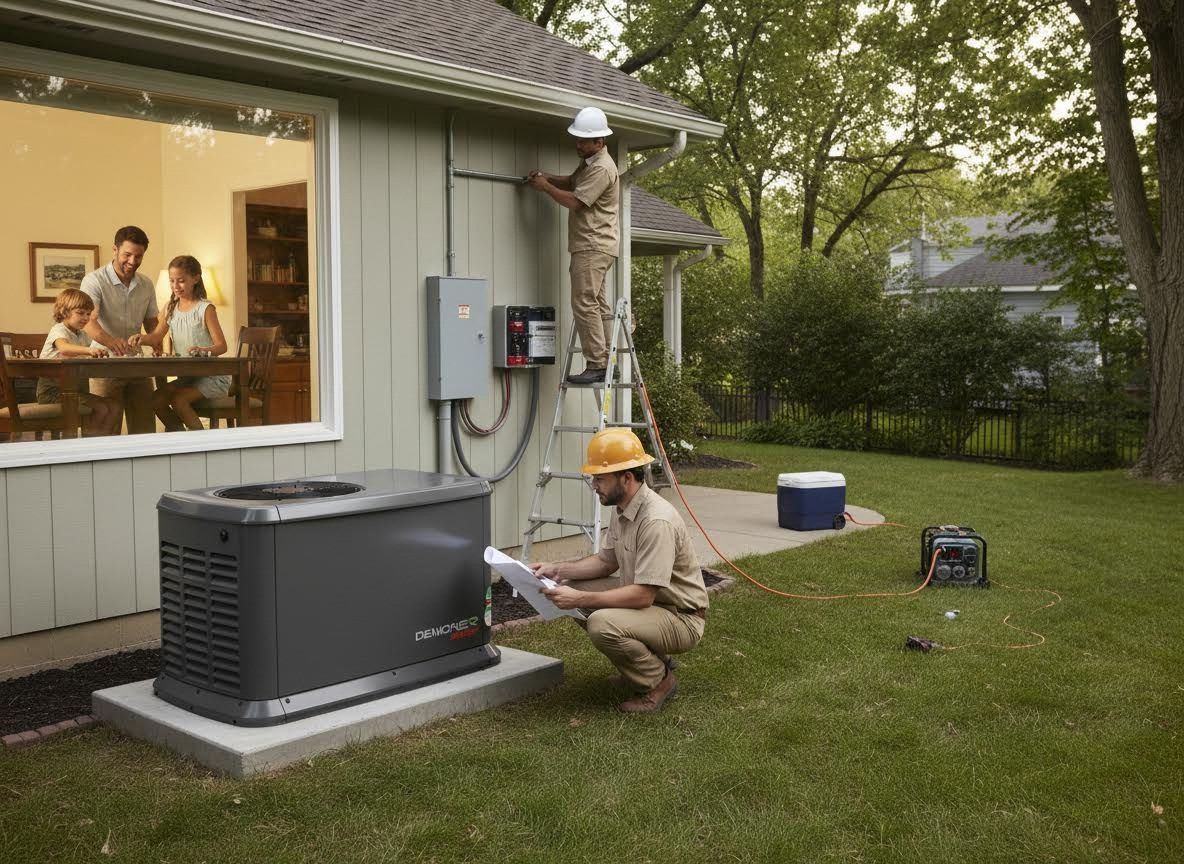
When evaluating home generators, you'll primarily encounter two main types: portable and standby. Portable generators are typically less expensive and offer flexibility, allowing you to power specific appliances by manually plugging them in. However, they require manual startup, refueling, and outdoor placement away from your home to prevent carbon monoxide poisoning. Standby generators, on the other hand, are permanently installed outside your home, similar to an air conditioning unit, and automatically turn on within seconds of a power outage. They run on natural gas or propane, eliminating the need for manual refueling, and can power your entire home or selected critical circuits.
Sizing and Installation Essentials
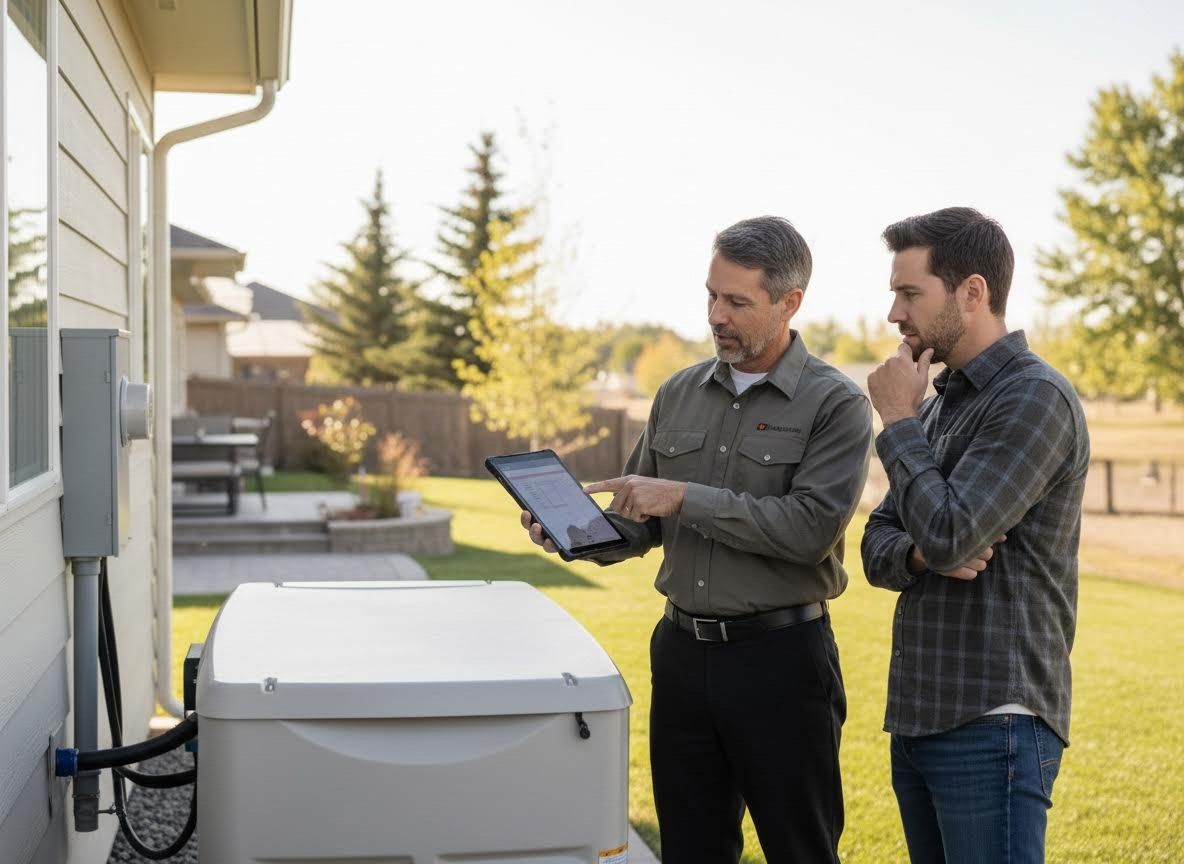
Choosing the right size generator is paramount. An undersized unit won't meet your home's power demands, while an oversized one is an unnecessary expense. A certified electrician will help determine the correct size by conducting a load assessment, calculating the total wattage required for the appliances and systems you wish to power during an outage. This involves considering everything from your refrigerator and furnace to lights and well pumps. Proper installation by a qualified electrical contractor is equally critical, involving the connection to your home's electrical system, fuel lines, and transfer switch, all while adhering to local electrical codes and safety regulations. Incorrect installation can pose serious safety risks, including carbon monoxide poisoning and backfeeding electricity into the utility grid, endangering utility workers.
When the grid goes down, your home shouldn't have to. A home generator is more than an upgrade—it's an investment in your family's safety and uninterrupted comfort. But choosing and installing the right system isn't a DIY project. Trust the experts at Bible's Electric to size and safely install the perfect backup power solution for your needs. Don't wait for the next severe storm—contact us today to schedule your generator consultation.