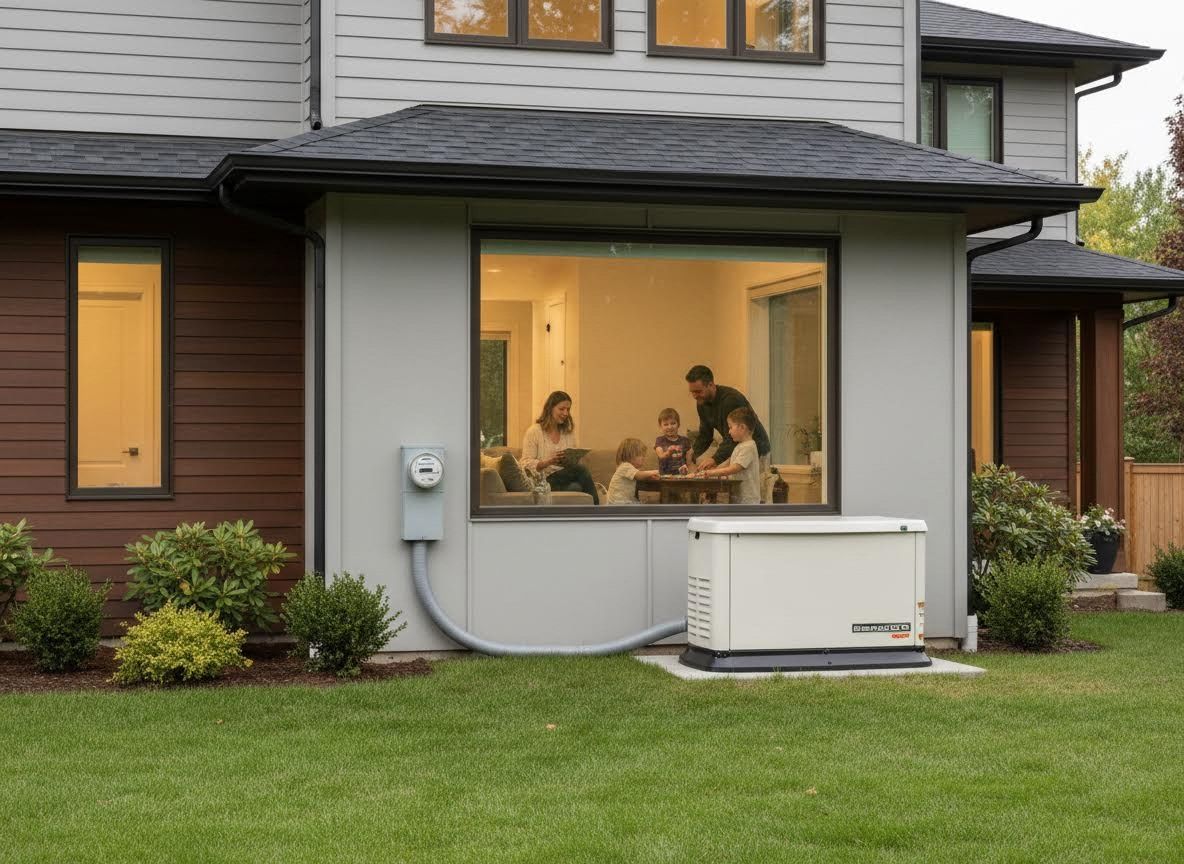
Power outages can strike unexpectedly, disrupting daily life and even posing safety risks. Understanding how to maintain a continuous power supply is crucial for any homeowner. Bible’s Electric is here to help you navigate the world of home generators, providing insights into these essential systems that keep your lights on and appliances running when the grid goes down. This guide will help demystify the options available and highlight why they are a valuable investment for your property.
What Are Home Generators and Why Do You Need One?
A home generator is a backup electrical system that automatically or manually provides power to your house during an outage. These systems ensure that essential functions, from heating and cooling to refrigerators and medical equipment, remain operational. Beyond convenience, having a reliable power source can prevent food spoilage, maintain security systems, and even keep your family safe and comfortable during severe weather events or unforeseen power failures. Investing in one of these units means you are prepared for whatever comes your way, offering peace of mind when the unexpected happens.
Types of Home Generators
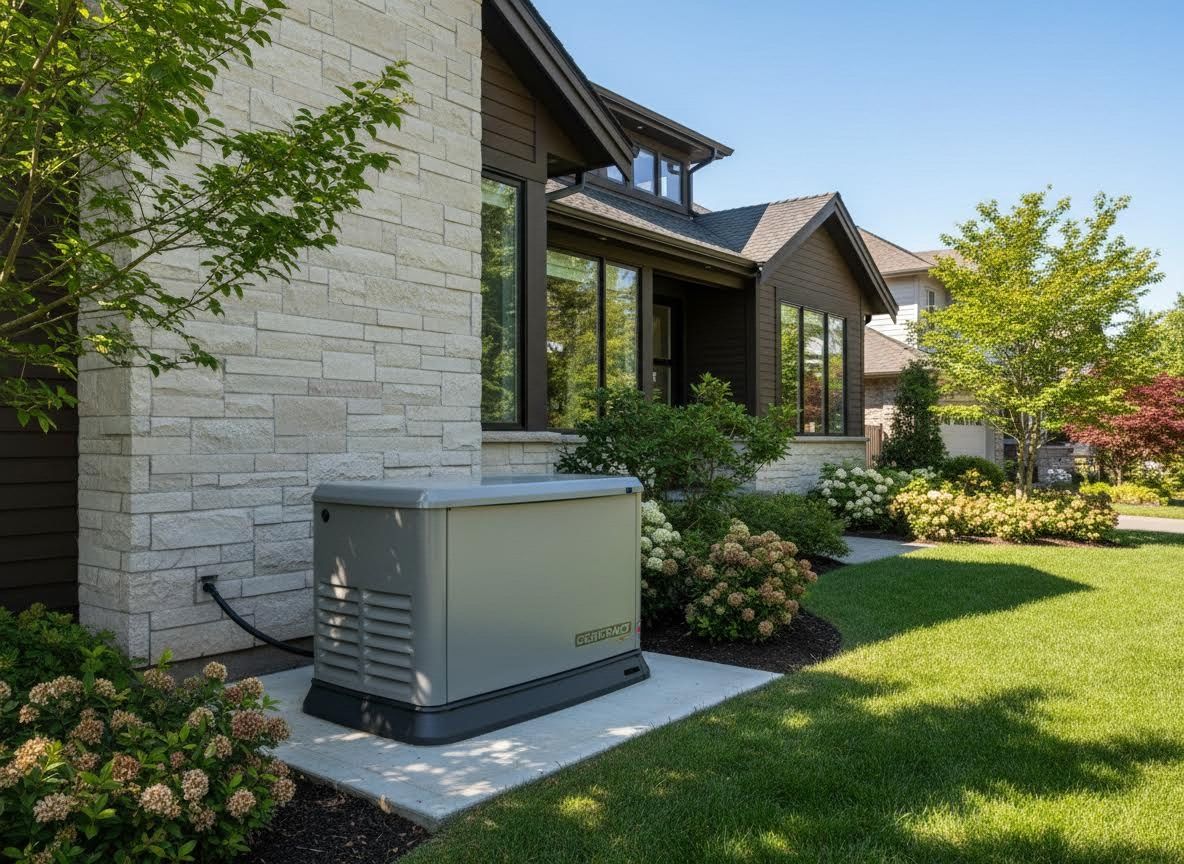
There are primarily two types of home generators to consider: portable and standby. Portable generators are typically smaller, more affordable, and can be moved to different locations. They require manual startup and refueling, and usually power only a select few appliances via extension cords. Standby home generators, on the other hand, are permanently installed outside your home, similar to an air conditioning unit. They automatically detect an outage, turn on, and supply power to your entire home or selected critical circuits. Once utility power is restored, they shut down automatically. These systems run on natural gas or propane, eliminating the need for manual refueling.
Key Considerations for Installation
Choosing and installing the right home generators involves several important decisions. First, assess your power needs: do you want to power your whole house, or just essential appliances? This will dictate the size and type of generator you need. Next, consider fuel type; natural gas is often convenient if available, while propane offers flexibility. Most importantly, professional installation by a qualified electrical contractor is non-negotiable. They will ensure proper sizing, safe electrical connections, compliance with local codes, and that your system is ready to function seamlessly. Attempting a DIY installation can be dangerous and may void warranties.
Maintaining Your Power Backup System
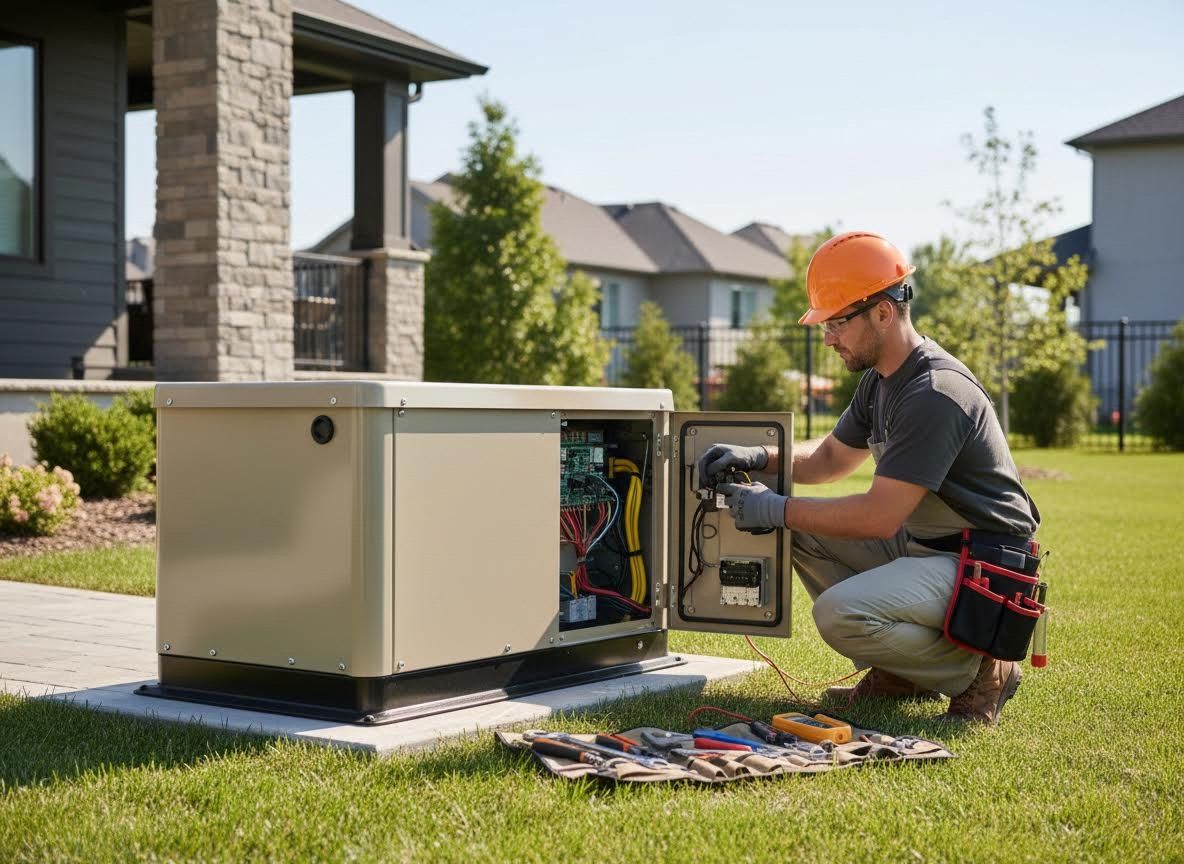
Just like your vehicle, a standby generator relies on an engine that requires regular upkeep to perform reliably. Even though it may sit idle for months, it must be ready to spring into action at a moment's notice. Routine maintenance involves checking oil and coolant levels, replacing air and fuel filters, and monitoring battery health.
While most modern standby models are programmed to run a brief "exercise" cycle weekly to keep parts lubricated, an annual inspection by a professional is essential. An experienced electrical contractor can simulate an outage to ensure the transfer switch operates correctly, clean the enclosure, and address any minor wear and tear before it results in a failure during a real emergency.
Secure Your Home's Power Today
When severe Middle Tennessee weather knocks out the grid, your family shouldn't have to scramble for flashlights, worry about a flooded basement, or throw away a refrigerator full of food. A home generator isn't just an appliance—it's a guarantee that your home remains a safe, comfortable, and fully functional haven no matter what happens outside.
Don't wait for the next storm to realize you need reliable backup power. Skip the guesswork and trust the 20+ years of experience at Bible’s Electric to properly size, safely install, and maintain the ideal generator for your property. Contact our experts today to schedule your comprehensive generator consultation and never be left in the dark again.